



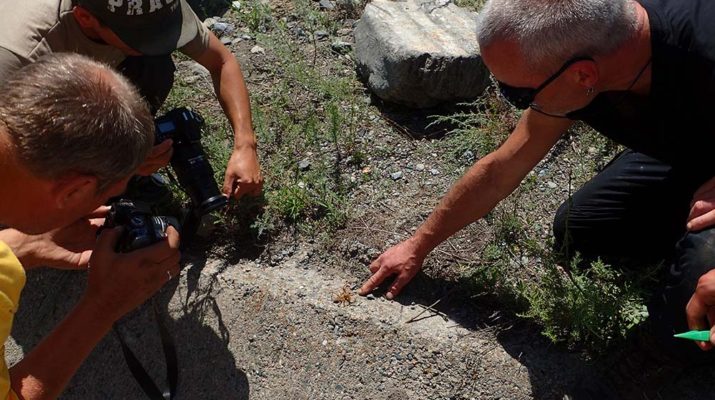
Join a unique entomological expedition to the Southern Tien-Shan in 2026, exploring pristine, remote areas of Central Asia. Towering high-altitude landscapes, deep canyons, glaciers, alpine meadows, and hidden lakes make this region a hotspot for new discoveries in entomology, botany, and zoology.
Why the Southern Tien-Shan is unique for research:
- Much of Kyrgyzstan’s Southern Tien-Shan was closed to visitors during the Soviet era, preserving its untouched wilderness.
- High-altitude areas over 3,500 m above sea level, harsh climates, and isolated ecosystems provide rare opportunities for discovering new insect and plant species.
- Rare wildlife: argali (Ovis ammon), snow leopard (Uncia uncia), bears, and diverse small mammals and birds.
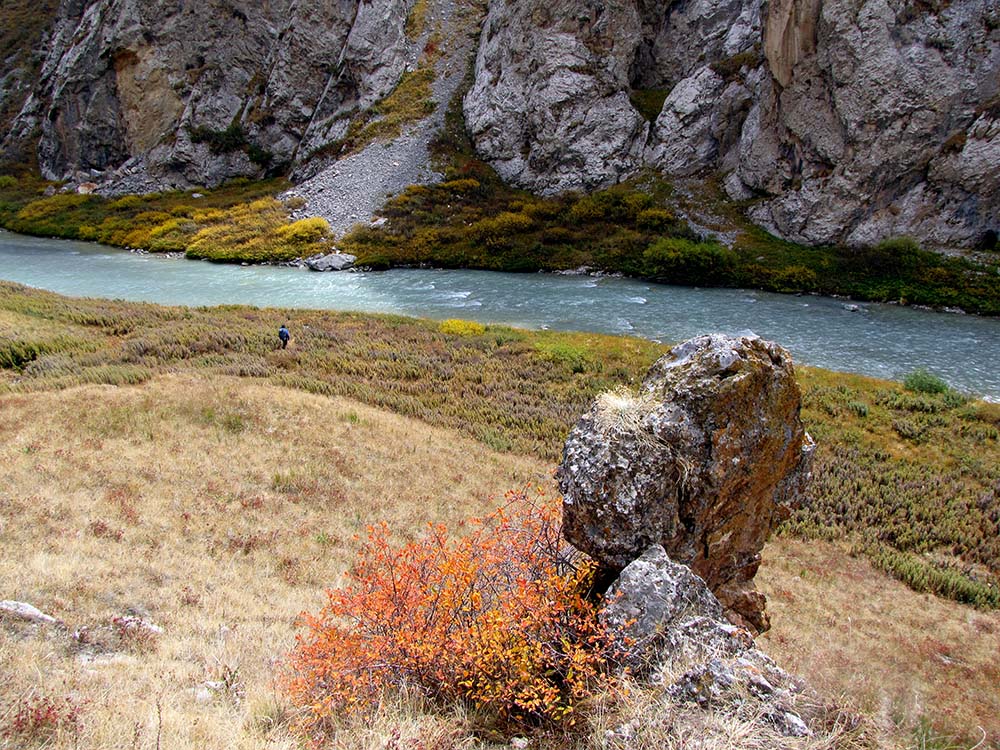
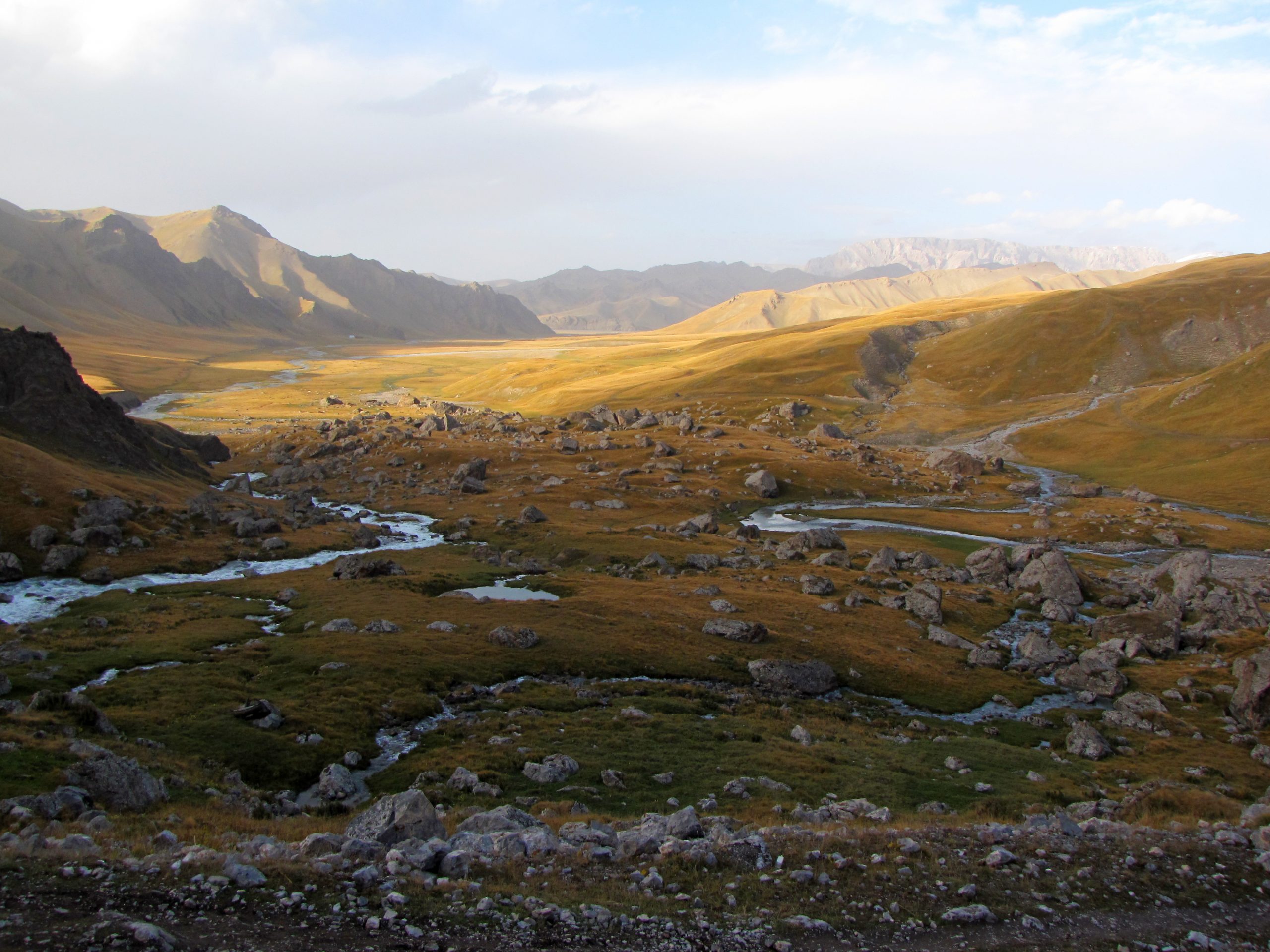
- Unique landscapes: unexplored canyons, grottoes, and caves; Lake Köl-Suu, which periodically disappears underground; glaciers and wide river valleys.
What to expect:
- 17-day expedition with a local Kyrgyz scientist as your guide and expert.
- Fieldwork opportunities for entomologists, botanists, and zoologists, including sample collection and reporting of research results.
- Exploration of unstudied caves, some containing multi-year ice, ideal for speleobiologists.
- Flexible scheduling: dates can be chosen by the client, but for high-altitude areas, July–September is the most favorable period, when river levels are low and climate conditions are optimal for fieldwork.
Logistics and organization:
- All necessary official permits are provided.
- Complete customs documentation for biological material export.
- Individual expedition organization for private groups is possible.
- Participants leaving the expedition early must notify in advance.
Why this expedition is scientifically exceptional:
- The Southern Tien-Shan is one of the few regions in Central Asia where genuine entomological discoveries can be made at high altitudes.
- The combination of isolated ecosystems, glacial canyons, and alpine meadows allows for research that cannot be conducted elsewhere in the Tien-Shan.
Join this expedition to the Southern Tien-Shan and become part of discoveries that will contribute to science forever!
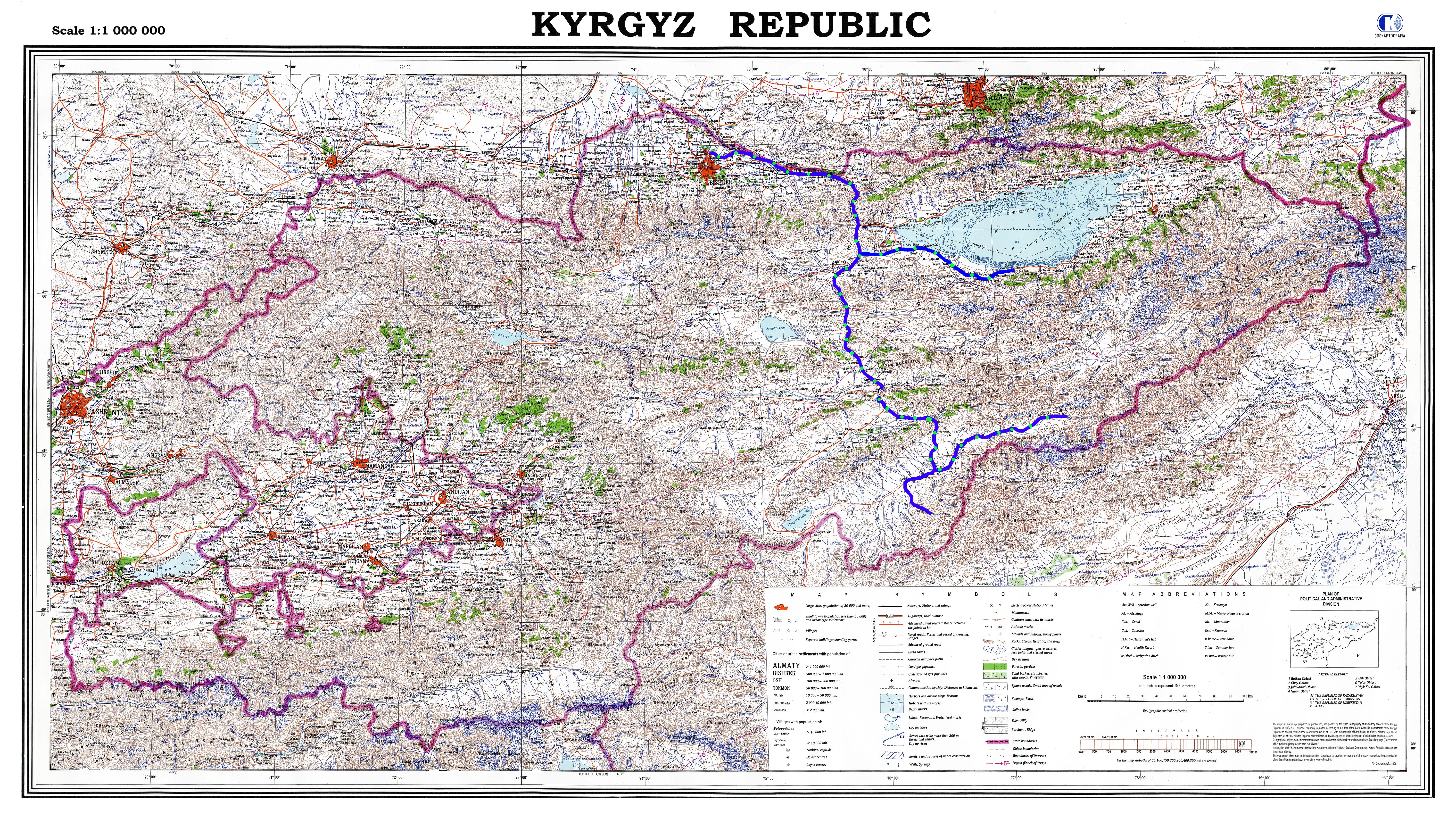 PROGRAMM
Briefing, discussion of the plans of the expedition. Survey of the research area. Acquaintance with local expert-entomologist, acquaintance with the chef. Overnight at hotel.
Today we will get to the alpine belt. Our route will go about 550 km to the south. We must reach the first base camp near the Kel-Suu Lake at an altitude of more than 3700 m. Overnight in tents.
This area is wild and there is no telephone connection. Therefore, we can divide into groups according our interest. For long crossings, visitors can rent a horse from local shepherds. To overcome the lake we have an inflatable rubber boat. Overnight in tents.
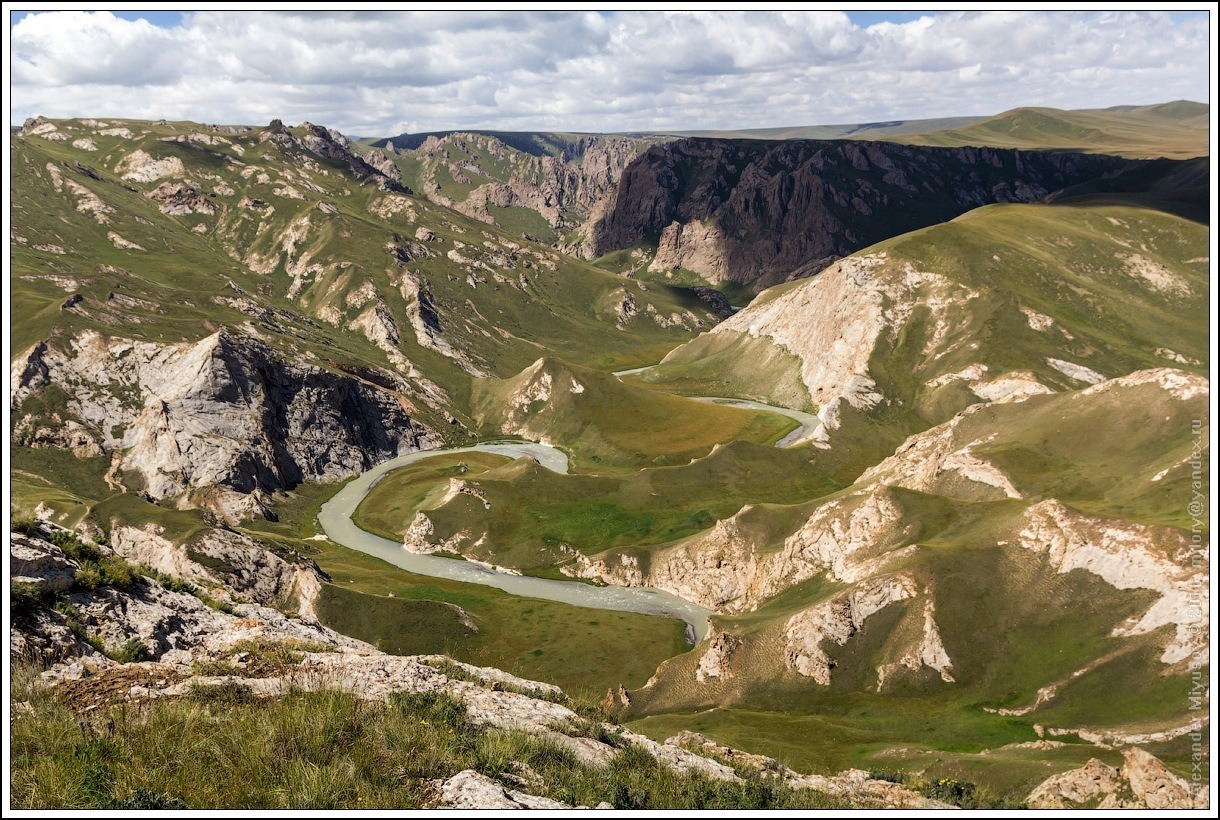
Canyons are relatively inaccessible. At the bottom of the canyons flows the Kok-Kiya River. Its aesthetically beautiful numerous meanders, formed a magnificent landscape. At the bottom of the canyon its microclimate is preserved. The sun peeps here less often than in the surrounding area. It grows a high variety of grass cover and various shrubs. For those who wish to explore the places autonomously remote from the base camp, field equipment will be provided: tents, dishes, a gas burner, food, satellite phone, radio stations, maps, etc. A local guide will accompany the autonomous research team. But these places are wild, so there is not excluded an encounter with wild animals. Overnight in tents.
Today we will move to the valley of the Eastern Ak-Sai River, located 150 km northeast of the first base camp. Environmental conditions here are rough too. The wide high-altitude valley is located between two mountain ranges. In the south it is bounded by the Kokshaal-Too range, in the north by the Barkoldoy range. The absolute altitude of the terrain is 3000-4000 m. A dirt road, through which we will reach the highland zone, was built and intended for border guards. In the upper reaches of the Ak-Sai River in the area of the Kuburgontu Pass, we will establish our field base camp. Overnight in tents.
The valley of the Kotur River goes towards China. These places have not been studied by scientists biologists yet. Here is an epic landscape and wildlife. During research, you can encounter wild animals listed in the Red Book: Brown Bear (Ursus arctos), Beech marten (Martes foina), Snow Leopard (Uncia uncia), Argali (Ovis ammon), Jerboa (Allactaga saltator). Overnight in tents.
We leave the alpine belt. Our path goes to the Issyk-Kul depression.The Issyk-Kul Lake is the second largest high mountain lake in the world. We will rest, discuss the results of the expedition, share impressions in the city of Kadji-Sai. Overnight at the hotel on the lake.
Today we return to Bishkek. Overnight at hotel.
Return home
- Meeting and seeing off at the airport,
- Accommodation in 3 * hotels according to the program (double / double rooms),
- Tents for living,
- Large tent for the kitchen and dining room,
- Tent for laboratory and warehouse,
- Food,
- Off-road transport,
- Expert guide,
- Chef
- Entrance fees to nature reserves,
- Research permits,
- Permits for the collection of biomaterial,
- Permits for the export of material
- Equipment for the field camp
- - International flights to Bishkek and back
- - Equipment rental
- - Single room accommodation
- - Cost of visa and consular services
- - Personal expenses in hotel, bar, international calls, etc.
- - Insurance
- Price on Request
- According to the request, we can negotiate the optimal price for your budget.
- Price depends on the number of participants
Our email: info@geoexplorersclub.com